Ufficio Turistico, via XX Settembre

Carnevale Morto

It is one of the most distinctive traditions of the Marche hinterland, as it combines folk theatre, social satire and ancient folk rituals linked to the end of winter and the beginning of Lent.

It is an event very dear to the hearts of the people of Apecchio, which keeps the community’s cultural identity alive.

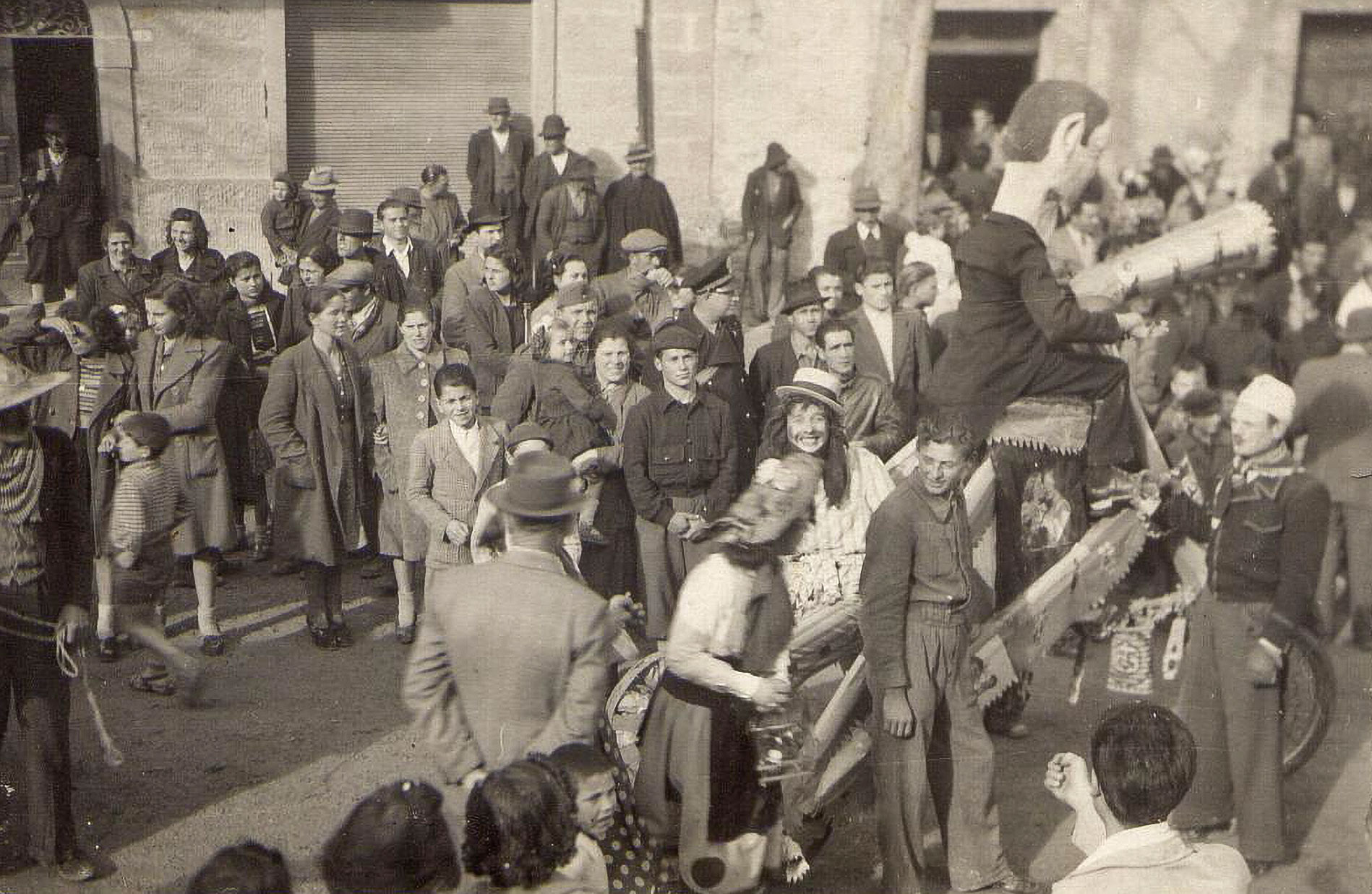
The Municipality of Apecchio boasts a long tradition of Carnival-related events and, particularly since the post-war period, the townspeople have always organised lively parades of masked processions, featuring allegorical floats and a huge turnout from the public; the event had gradually gained increasing prominence in the region, rivalling, in terms of renown, far more famous national events such as the Fano Carnival, to the extent that the Apecchio Carnival is recognised as the ‘Carnival of the Apennines’.

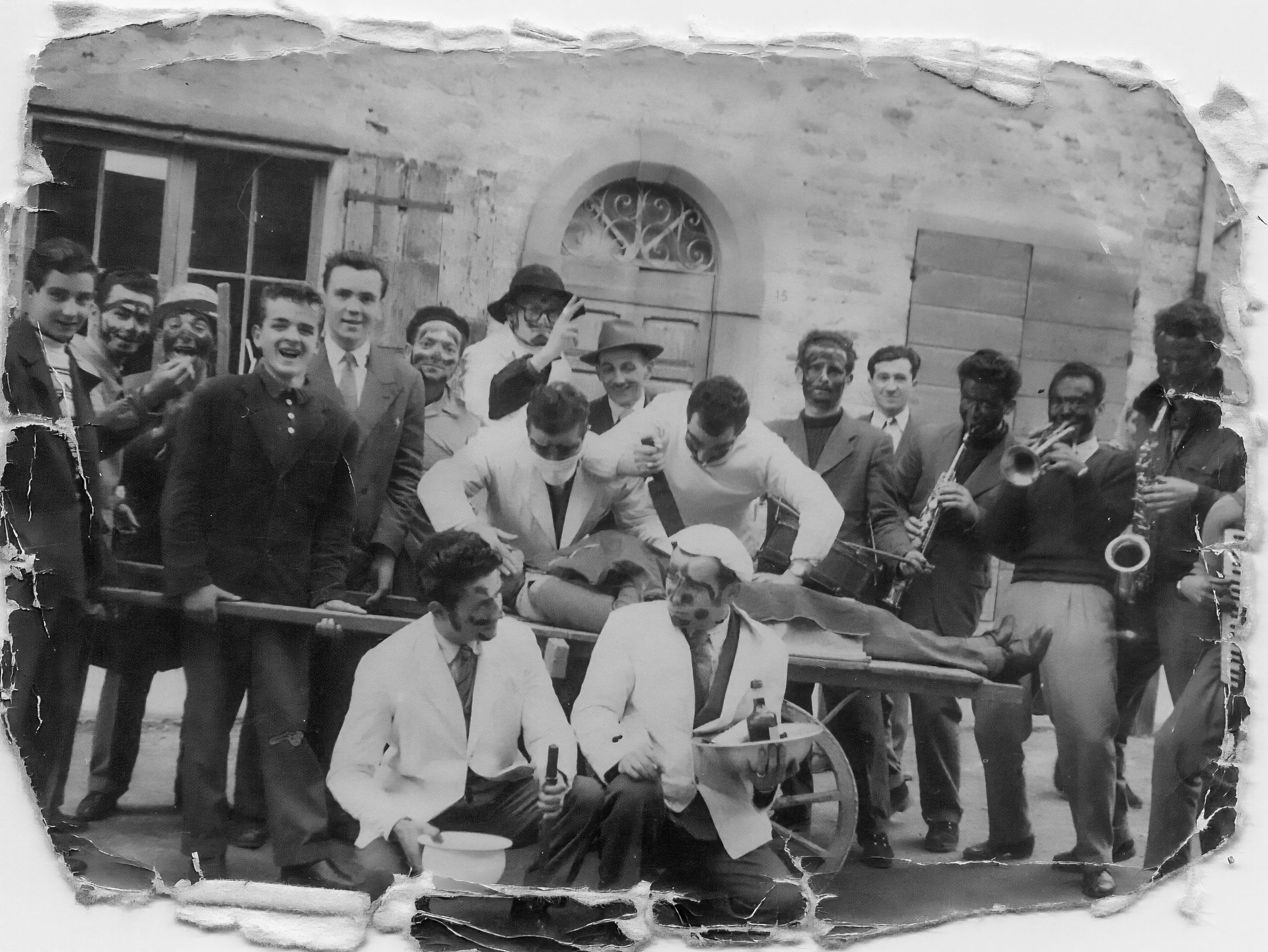
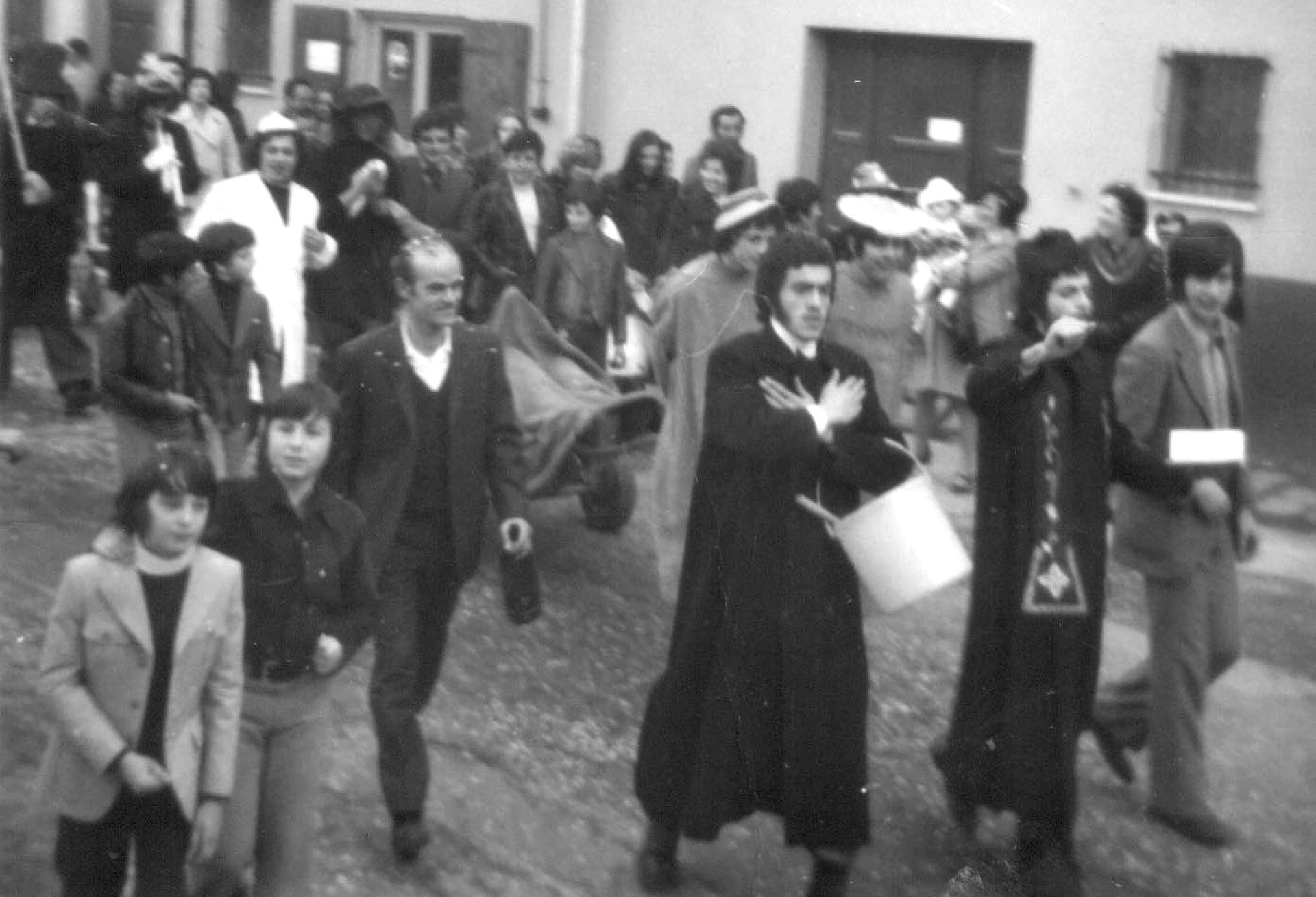
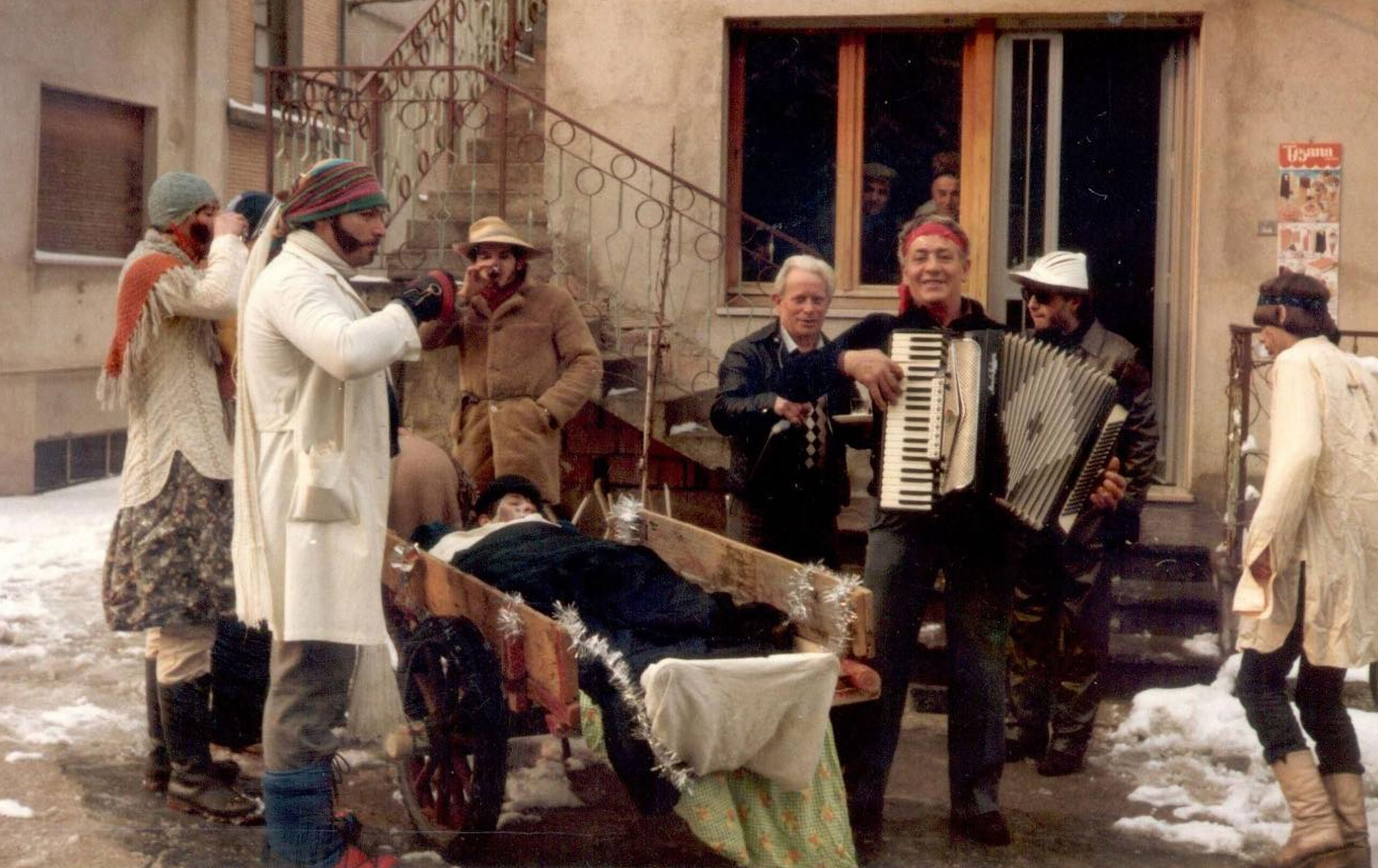
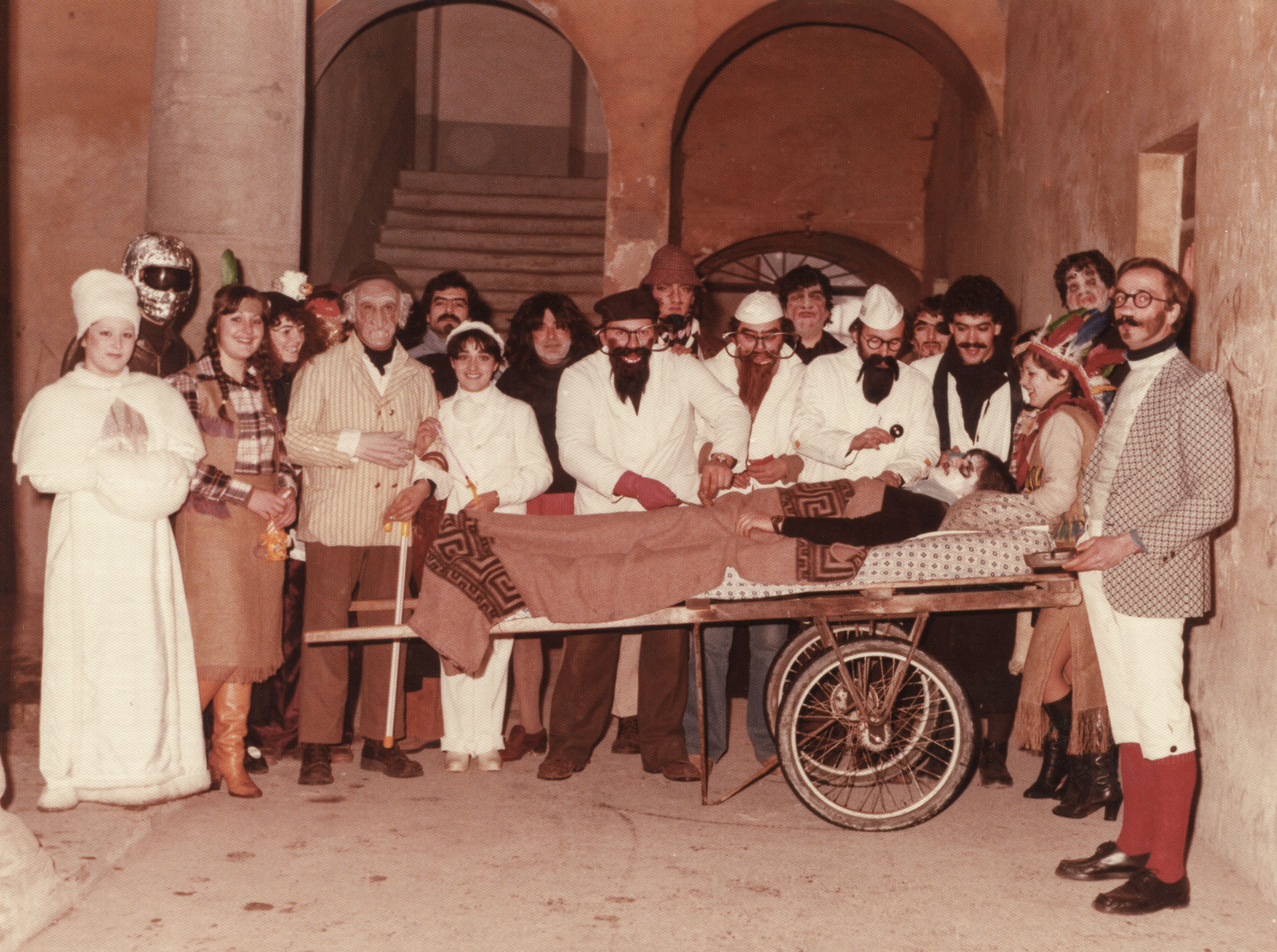
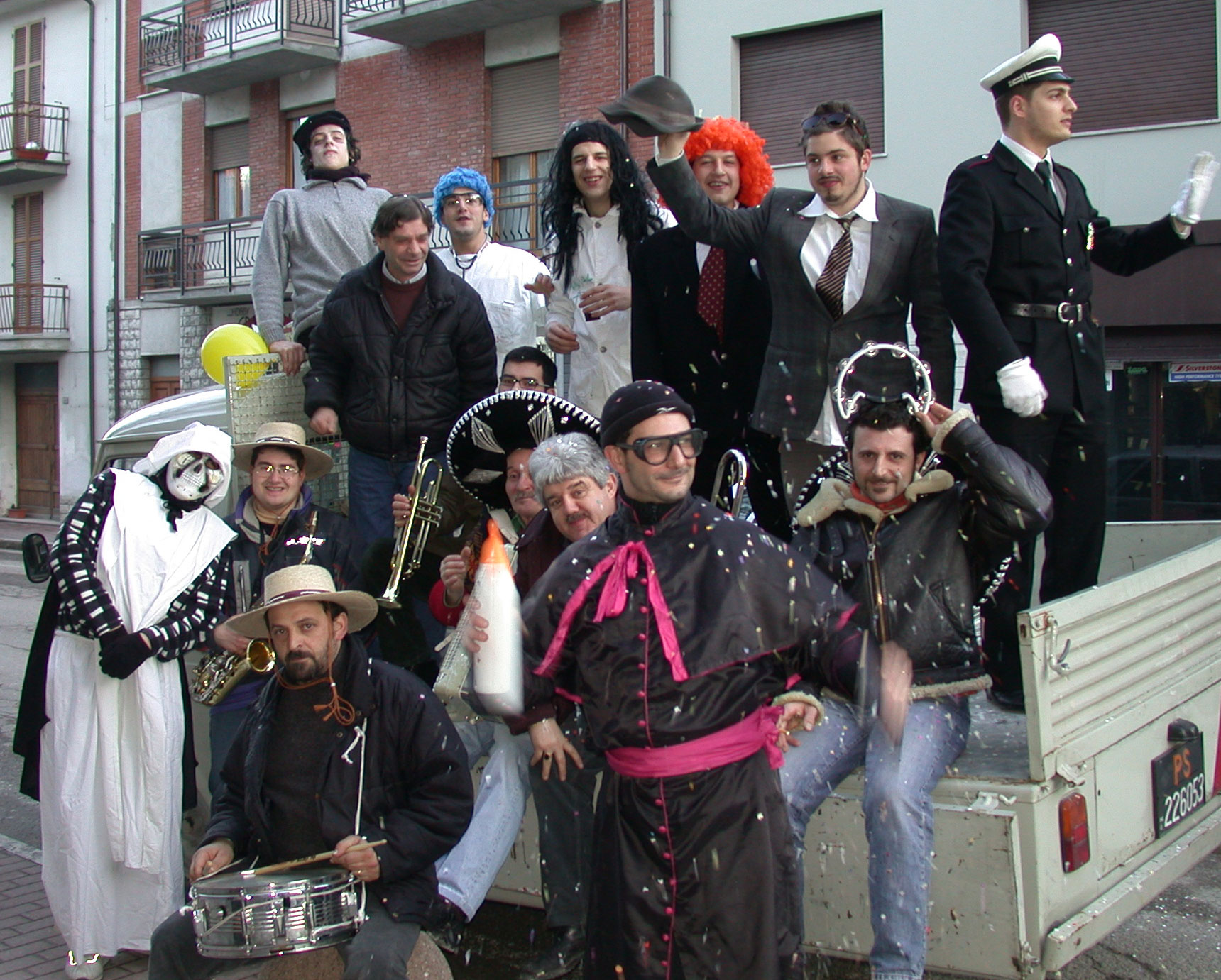
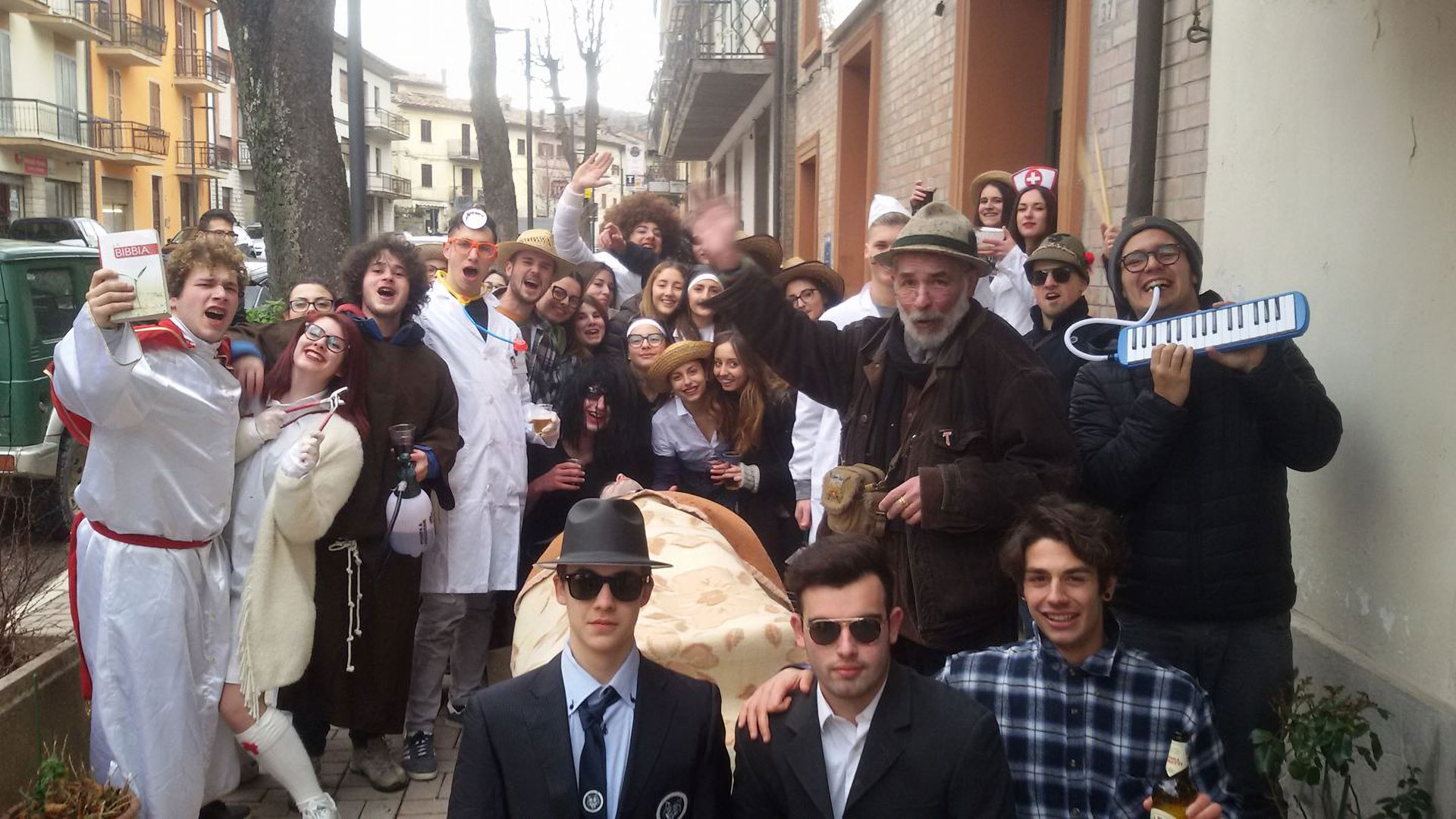
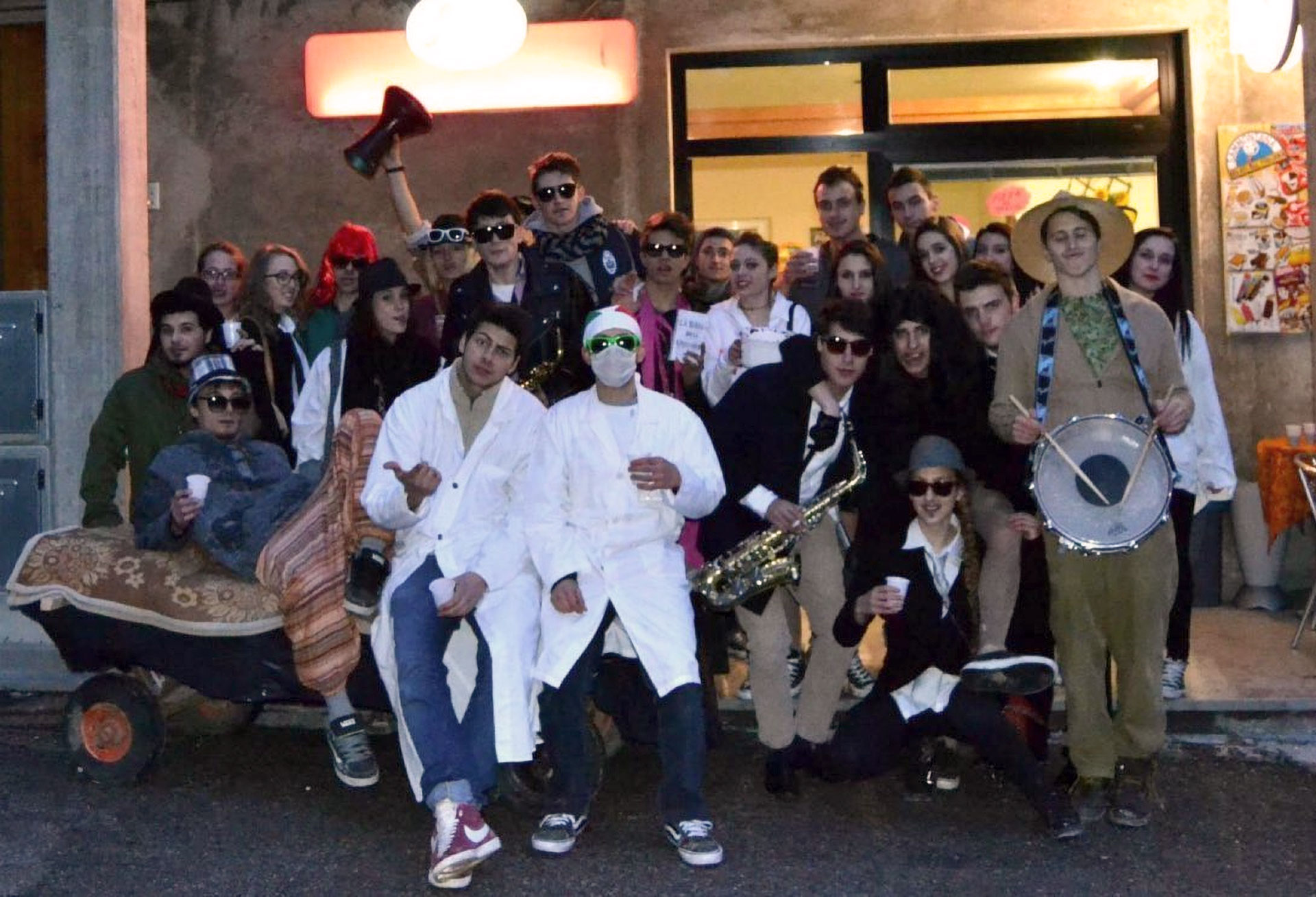
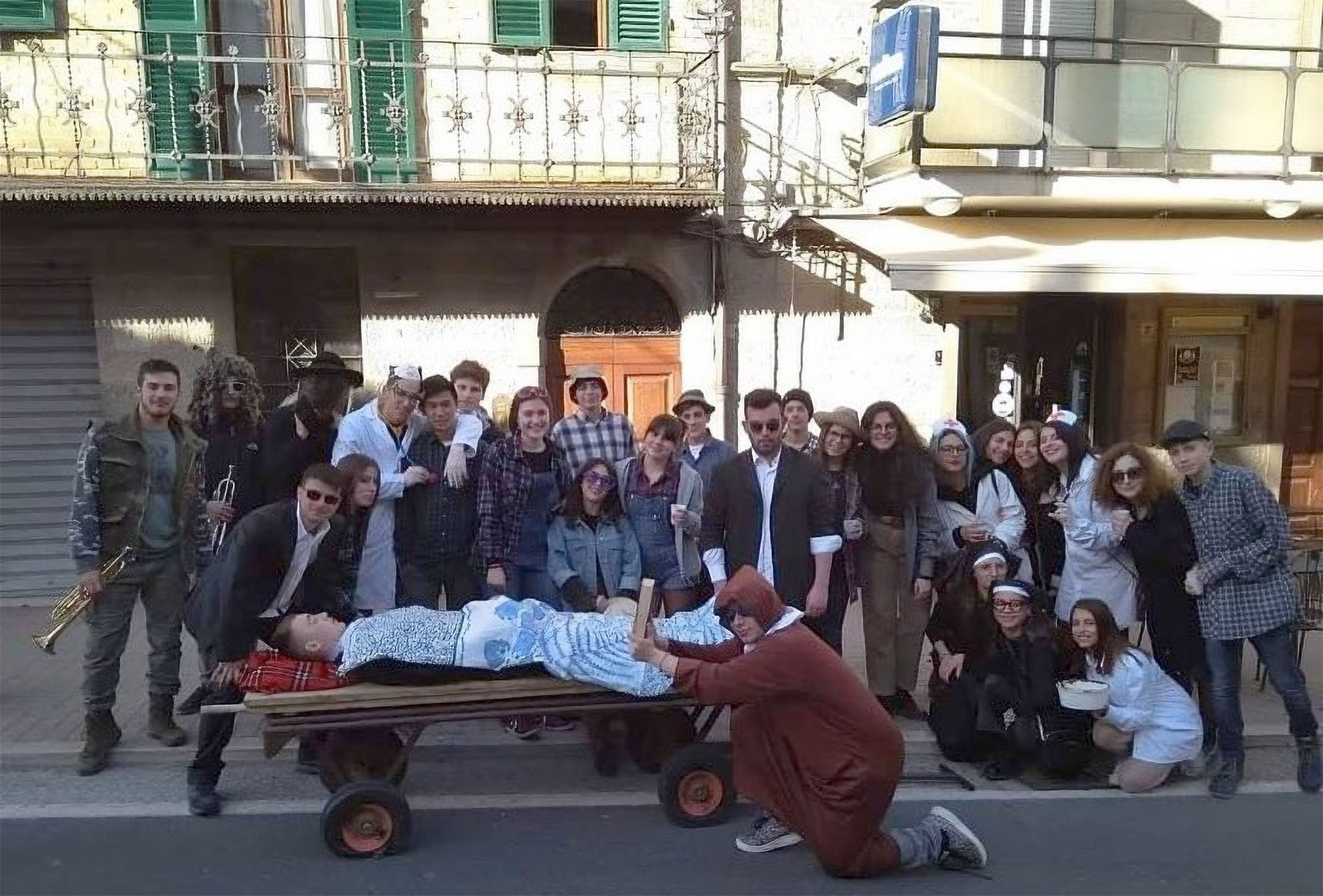
The last day of Carnival in Apecchio has always been celebrated with the ritual of the ‘Dead Carnival’, a funeral procession consisting of a float bearing a person dressed as a corpse, followed by a grotesque procession of men dressed as women, one of whom plays the part of the inconsolable widow; there is also a character dressed as a priest, one playing the doctor, and various other masked figures. The priest recites a characteristic prayer: “five and three eights”, to which everyone replies: “eight and two tens”, followed by the chant: “Carnival is dead, who will bury him? The company of the dead will give alms”. And so it goes on.

During the procession through the town’s streets, one of the participants displays a chamber pot stained with chocolate and filled with white wine, from which the more daring drink. The funeral procession is accompanied by the strains of an unlikely funeral march played by the Concertino Folk Apecchiese. In recent years, the re-enactment has also been staged on the following Saturday, to allow more people to take part in the festivities. The Municipality of Apecchio considers the preservation of the area’s traditional events to be of paramount importance, as they represent resources inherited from the past – reflecting and expressing values, knowledge and traditions that are constantly evolving – and, at the same time, to enable ever greater sharing and awareness of these events themselves, as they constitute a genuine intangible heritage that defines the area’s ‘identity’, pursuant to Municipal Decree G. No. 16 of 21 February 2023, the Apennine Carnival and the local tradition of the ‘Carnevale Morto’ were recognised with the De.C.O. mark .

Ancient origins

As in many parts of Italy, Carnival was not merely a time of celebration and masks, but also represented a true rite of passage. During Carnival, abundance, food and excess were celebrated. With the arrival of Lent, however, it all came to an abrupt end. The ‘death of Carnival’ symbolised precisely the end of this period of freedom and revelry. In rural communities, these rituals also had a strong seasonal significance: winter was ‘buried’ to make way for spring and the new agricultural cycle.

A symbolic funeral

In Apecchio, this tradition has, over time, taken on a highly theatrical form. One person plays the role of the “Dead Man”, who represents Carnival. A funeral procession is then organised, winding its way through the village streets, whilst the participants — often dressed in black — enact an exaggerated and ironic display of mourning. The most eagerly awaited moment is the reading of the Carnival’s will. In this satirical text, the Carnival ‘bequeaths’ to the community: the villagers’ faults and vices, amusing incidents that have occurred during the year, and gentle criticisms of the town’s political and social life. This is a form of popular satire, good-natured yet biting, often recited in dialect.

The epilogue

At the end of the performance, the ‘dead man’ awakens. This symbolic gesture definitively marks the end of Carnival and the beginning of the more austere period of Lent. Apecchio’s ‘Dead Carnival’ lives on thanks to the participation of the whole community: it preserves the dialect, keeps local traditions alive and renews the village’s collective memory every year. It is not merely folklore: it is a way to tell our story, poke fun at ourselves and strengthen the identity of the place.